People Living With Disability
Flexible NDIS and community supports built around individual goals and needs.
Support you know. Expertise you trust.
We’re a local, family-owned team based in Townsville, helping people live safely, independently and confidently at home and in their community, from everyday NDIS support workers through to complex clinical nursing, all led by registered nurses.
Pick the situation that fits and we’ll show you the services and funding that apply.
Funding we work with
Flexible support built around your goals, with a nurse-led team behind your support workers if your needs change.
Working with a support coordinator? We keep them updated so services line up with the plan.
Refer an NDIS participantCare that changes as needs change, so older Australians can keep living safely and independently at home.
Not assessed yet? Start with My Aged Care on 1800 200 422, then choose us as your provider.
Explore aged careClinical nursing at home for eligible veterans across Townsville and North Queensland, delivered to DVA standards.
We work with hospitals, families and health professionals to set up nursing, personal care and community support before and after discharge.
For an urgent discharge, call us directly on 07 4721 4470.
Send a priority hospital referralNursing and practical support at home to help you recover after a workplace injury.
Talk to our teamSelf-funded clinical nursing when you or your family need extra support, with no funding approval to wait for.
Our Core Service
Everyday support built around the person, their goals and the life they want to live, delivered by consistent support workers with registered nurses behind them.
Available through
Who We Support
Whoever you are and whatever your needs, we build support around your life.
Flexible NDIS and community supports built around individual goals and needs.
Support at Home and restorative care.
Community nursing and support for eligible DVA clients.
Nursing and practical support during recovery and transition home.
Flexible private nursing and community care when additional support is needed.
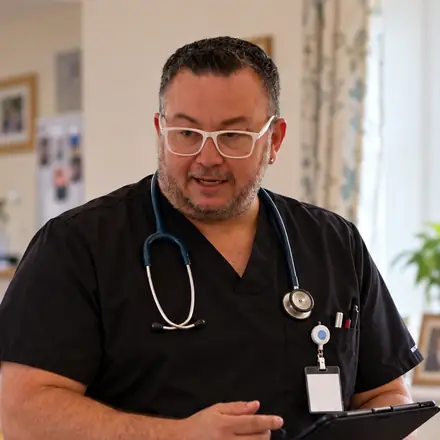
Transformative Nursing was founded in Townsville in 2024 by Clinical Nurse Consultant Sean Burnett. Sean’s background in intensive care, emergency and neurosurgery shapes how we look after people with complex health needs at home.
As a local, family-owned business, we wanted to offer something different: the person you meet is the person who supports you. We don’t rotate staff unnecessarily, and we never subcontract your care. Rostering and decisions are made right here in Townsville.
Our focus is simple: the right support, at the right time, with the right people.
Sean BurnettManaging Director, Clinical Nurse Consultant and Nurse Practitioner Candidate
Service Area
Proudly supporting communities across Townsville, the Burdekin, Charters Towers, Ingham and surrounding regions.
Not sure whether we service your area?
Testimonials
Hearing from those we care for means everything to us.
“As an OT, when I need to recommend a community nursing organisation in Townsville, I recommend Transformative Nursing. Their proactive, patient-centred approach ensures individuals receive the right support at the right time.”
“The team at Transformative nursing are 100% genuine, kind. Caring and supportive people. They support and encourage me to be my best self, in my everyday life and to reach my goals.”
“I have improved a lot in the last 5 months with Transformative Nursing. They listen and care about me.”
“He is happier, more interactive, and genuinely looks forward to seeing the team.”
Plain-English answers to the questions families ask us most.
Choosing who supports you or your family member is one of the most important decisions in your NDIS journey. Here are 10 practical questions to ask any provider in Townsville and North Queensland before you sign.
Read the guide →Industry InsightHow your NDIS plan is managed decides who pays your invoices, how much paperwork you do and which providers you can use. Here's a plain-English guide to the three options.
Read the guide →Healthcare NewsAn aged care assessment decides the help you can get at home. A little preparation helps the assessor see the full picture. Here's a practical checklist for older Australians and their families.
Read the guide →CommunityTownsville summers are long, hot and humid. Older people and people with disability or chronic health conditions are at higher risk of heat-related illness. Here are our nurses' tips for staying safe.
Read the guide →Healthcare NewsFalls are one of the biggest threats to older people's independence, but many can be prevented. Our registered nurses share simple, practical steps to make home safer.
Read the guide →Team UpdateGenuinely nurse-led means registered nurses lead every plan. Meet the clinical and client services team behind Transformative Nursing & Support Services.
Read the guide →Careers
We’re growing across North Queensland and looking for caring support workers and nurses who want to make a real difference, with registered nurses behind you.
Ready to Talk?
Whether you're looking for support for yourself, a family member or someone you work with, our local team is here to help.
Transformative Nursing & Support Services delivers NDIS supports aligned with your plan and goals — from everyday support workers through to nurse-led high-intensity clinical care, all within one local, family-owned team.
Everyday Supports
Consistent, friendly support workers for daily living, community access and plan coordination — with the same familiar faces, every visit.
Personal care, household tasks and routines that build independence.
Social outings, group activities and skill-building in the community.
Reliable transport to appointments, work, study and events.
Navigating your plan and coordinating the right mix of supports.
Building skills, confidence and independence to help you achieve your NDIS goals.
Clinical Supports
Registered Nurse-led complex and high-intensity supports — the clinical depth that sets a genuinely nurse-led provider apart.
Advanced wound and dressing management delivered by registered nurses.
Medication management, PEG feeding and clinical monitoring at home.
Catheter management and continence support with clinical oversight.
Positive behaviour support and de-escalation, integrated with clinical care.
Around-the-clock availability for urgent and high-intensity clinical needs.
Nurse-led complex care for participants with high medical needs.
As a participant's clinical needs change, support can step up — from a support worker to nurse-led high-intensity care — without changing providers or losing continuity.
Daily living and community support.
Clinical needs increase or shift.
Nurse-led care steps up within the same team.
Local people. Clinical leadership. Consistent supports.
Registered Nurses oversee every plan.
Proudly Townsville owned and operated.
Same familiar faces — no subcontracting.
Grows with you as clinical needs change.
Referrals acknowledged within 24 hours.
High-intensity and complex care at home.
Referrals from participants, families, Support Coordinators and health professionals are welcomed — acknowledged within 24 hours.
Our experienced nurse-led team provides a comprehensive range of high intensity supports for NDIS participants with complex medical needs. All clinical care is overseen by registered nurses with expertise in complex disability and healthcare.
Referrals acknowledged within 24 hours.
Supported Independent Living (SIL) is NDIS-funded support that helps people with significant disabilities live as independently as possible — in their own home or a shared living arrangement. As a nurse-led provider, we bring clinical depth to SIL, so participants with complex or high-intensity health needs are supported safely at home.
What's Included
SIL is tailored to each participant's needs and goals — here are the everyday supports we deliver.
Assistance with showering, dressing, grooming and personal hygiene.
Planning and preparing nutritious meals suited to your preferences.
Prompting, administration and clinical monitoring of medications.
Help with cleaning, laundry and keeping the home safe and comfortable.
Support to take part in social, recreational and community activities.
Registered Nurse involvement for participants with complex health needs.
Our Approach
For participants with complex or high-intensity health needs, clinical oversight isn't optional — it's essential.
Registered Nurses guide every care plan.
Same familiar faces — no subcontracting.
Proudly Townsville owned and operated.
Around-the-clock support when you need it.
High-intensity and clinical needs supported.
Whether you're exploring SIL for the first time or reviewing your current arrangement, our team is happy to help — referrals acknowledged within 24 hours.
Support Coordination is an NDIS-funded service that helps you get the most out of your plan. A Support Coordinator works alongside you to understand your funding, connect with the right providers, and build your skills and confidence to manage your own supports over time. As a nurse-led, local team, we bring clinical insight to coordination — especially valuable for participants with complex or high-intensity health needs.
Levels of Support
The level funded in your plan depends on your individual needs and goals.
Short-term help to understand and use your NDIS plan, connect with providers and build your confidence to coordinate your own supports.
Ongoing support to strengthen your ability to manage your plan, coordinate services, and navigate the NDIS and broader service system.
Higher-intensity coordination for participants with complex or high-risk needs, focused on reducing barriers and building a stable support network.
How We Help
Practical, hands-on support to bring your plan to life.
Breaking down your funding, budgets and goals into plain language.
Finding and engaging the right mix of service providers for your needs.
Planning ahead so you have backup options if something changes.
Growing your confidence and capacity to manage your own supports over time.
Communicating with the NDIA and preparing for plan reviews.
As a nurse-led team, we coordinate clinical and allied health supports with clinical insight.
Local people. Clinical insight. Consistent support.
Clinical understanding when coordinating complex supports.
Proudly Townsville owned and operated.
Same familiar coordinator — no subcontracting.
We get back to you promptly, every time.
Whether you're new to the NDIS or reviewing your current coordination, our local team is happy to help.
What We Offer
Whether you are an NDIS participant, recovering from hospital, or seeking private nursing care, our experienced team delivers personalised support tailored to your unique needs.
Personalised assistance aligned with your NDIS plan and goals.
Learn more →Flexible in-home support for daily living and independence.
Learn more →Skilled nursing care delivered in the comfort of your home.
Learn more →Specialised care for participants with complex medical needs.
Learn more →Nursing support for WorkCover patients during recovery.
Learn more →Ensuring a safe and comfortable recovery after hospital discharge.
Learn more →Safe, reliable transport to appointments, therapy sessions, and community activities.
Learn more →Dedicated nursing and support services for veterans and their families through the Department of Veterans Affairs.
Learn more →Referrals acknowledged within 24 hours. Contact our intake team today.
Your Local Family-Owned, Nurse-Led Community Supports Provider
Local People. Clinical Leadership. Consistent Supports.
Aged Care & Support at Home
At Transformative Nursing & Support Services, we believe older Australians should be supported to live safely, independently and with dignity in the place they know best — home.
We are a local, family-owned and nurse-led community supports provider supporting older people across Townsville and North Queensland.
Whether someone needs a little assistance to remain independent, intensive restorative support following a decline in function, help returning home from hospital, or complex community nursing, our team can provide supports built around the individual.
Our focus is not simply on completing tasks. We focus on the person, their goals, their health, their independence and what matters most to them.

Proud ONEteam partner
Transformative Nursing & Support Services is a proud ONEteam partner with PlanCare. Together, we help older Australians across Townsville and North Queensland access and manage their Support at Home services, with our local, nurse-led team delivering care in your home.
Pathways designed to support older Australians at every stage of their supports journey.
Live independently. Stay connected. Remain at home.
Ongoing nursing, personal supports, domestic assistance and community support tailored around your individual needs and goals.
Explore Support at Home →Regain strength, confidence and independence.
Short-term intensive nursing and allied-health-focused support designed to help older people maintain or regain function and independence.
Explore Restorative Supports →From a little help around the home, through recovery and rehabilitation, to complex nursing, Transformative Nursing & Support Services can be there throughout your supports journey.
Contact our friendly team today to discuss your needs or make a referral. New referrals acknowledged within 24 hours.
At Transformative Nursing & Support Services, we're a family-owned and locally operated Support at Home provider, proudly partnering with PlanCare to deliver personalised, high-quality care to older Australians across Townsville and the surrounding regions.
Unlike many larger providers, we never subcontract our services. The person you meet is the person you'll continue to see, ensuring consistency, trust, and continuity of care.
Proud ONEteam partner
Transformative Nursing & Support Services is a proud ONEteam partner with PlanCare. Together, we help older Australians across Townsville and North Queensland access and manage their Support at Home services, with our local, nurse-led team delivering care in your home.
Our Promise
We employ our own carers and nurses — the person you meet is the person you'll continue to see. No revolving door, no unfamiliar agency staff.
We design each package around your individual needs and goals.
Assistance with bathing, dressing, and grooming
Cleaning, laundry, and household organisation
Nutritious cooking and feeding assistance
Wound care, medication management, and health monitoring
Walking assistance, transfers, and strength exercises
Travel to appointments, community activities, or social outings
Assistance with continence management and hygiene
Friendly visits, conversation, and shared activities
24-hour complex care, dementia support, palliative care, mental health support
Local. Family Owned. Nurse Led.
Every plan is designed and overseen by experienced Clinical Nurse Consultants.
Proud Townsville locals who understand and care for our community.
We employ our own carers — never agency staff or unfamiliar faces.
The same familiar person, every visit, building real trust.
Registered nurses within the same organisation for clinical oversight.
Care that fits your preferred times, lifestyle and goals.
Seeing the same familiar carer builds trust, routine and a real understanding of your preferences. It means fewer repeated explanations, earlier notice of changes in your health, and a relationship where you feel genuinely known — not just another visit on a roster.
Because registered nurses work within the same organisation, clinical oversight is always close. If your needs change or something needs a nurse's input, help is already part of your team — no separate agency, no delays, no handovers lost.
Free Resources
Download these guides to help navigate your Support at Home journey.
Contact us today to discuss your Support at Home options. Referrals acknowledged within 24 hours.
Restorative Care Pathway
A change in health, illness, fall or decline in mobility can make everyday life more difficult. With the right support at the right time, many older Australians can regain skills, rebuild confidence and continue doing more for themselves at home.
The Restorative Care Pathway is a short-term pathway available through the Australian Government Support at Home program.
It provides access to intensive nursing and/or allied health services designed to help older people maintain or regain function, improve independence and reduce or prevent further age-related decline.
Restorative care isn't about doing everything for you. It's about working with you so you can continue doing as much as possible for yourself.
An approved restorative care episode can provide support for up to 16 weeks depending on assessed needs and goals.
Proud ONEteam partner
Transformative Nursing & Support Services is a proud ONEteam partner with PlanCare. Together, we help older Australians across Townsville and North Queensland access the Restorative Care Pathway through Support at Home, with our local, nurse-led team delivering your care at home.
Comprehensive, nurse-led support tailored to your goals.
Restorative care should have meaningful, measurable goals. Here are some examples:
Nurse-Led Restorative Care
Having Registered Nurses involved makes a real difference when an older person has multiple health conditions.
Our nursing team can support people living with chronic disease, wounds, continence concerns, diabetes, neurological conditions, medication complexity and reduced mobility — ensuring clinical oversight is woven through every stage of your restorative care.
We work collaboratively as part of your broader multidisciplinary team.
Talk to our team about restorative care options or make a referral today. New referrals acknowledged within 24 hours.
Caring for those who served
Department of Veterans Affairs
Transformative Nursing & Support Services is proud to provide high-quality nursing and in-home support to Australian veterans and their families through the Department of Veterans Affairs (DVA) Home Care Program. Our experienced team understands the unique needs of those who have served our country and is committed to delivering compassionate, dignified care.
Registered nurses providing clinical care in your home, funded through the DVA Home Care Program.
Specialised wound assessment and evidence-based dressing management by experienced nurses.
Assistance with medication administration, dosette box packing, and medication reviews.
Skilled nursing support following surgery to promote safe recovery in the comfort of home.
Support with daily living activities including bathing, grooming, and mobility assistance.
Safe, reliable transport for veterans attending specialist and medical appointments.
DVA-funded services are available to eligible Australian veterans, war widows/widowers, and dependants who hold a DVA Gold Card or White Card (for accepted conditions).
Services are provided under the DVA Home Care Program and may include nursing, personal care, transport, and other community support services — at no cost to eligible card holders.
If you are unsure about your eligibility or which card covers your needs, our friendly intake team can help guide you through the process.
Our team is here to help veterans and families access the care they deserve. Contact us today or submit a referral.
DVA-Funded Program
The Coordinated Veterans Care (CVC) Program is a DVA-funded initiative that supports eligible veterans with chronic conditions to stay healthy and independent at home. A nurse-led care coordinator works closely with your GP and treating team to plan, coordinate and monitor your ongoing care — reducing the risk of hospitalisation and helping you live well with a long-term condition.
How CVC Works
CVC is a team-based, coordinated approach to managing chronic health conditions over time.
A personalised care plan built with your GP, focused on managing your chronic conditions and keeping you well at home.
Your nurse care coordinator works with your GP, specialists and other providers so your care is joined up.
Ongoing monitoring and support for conditions such as diabetes, heart disease, COPD and other long-term health needs.
Proactive check-ins and early intervention designed to keep you out of hospital and living independently.
Who It's For
CVC is designed for veterans who would benefit from coordinated, ongoing care.
Veterans with a DVA Gold Card and one or more chronic conditions.
Living with diabetes, heart disease, COPD or other long-term health needs.
Those who would benefit from coordinated care to stay well at home.
Practical, ongoing support tailored to your health goals.
Scheduled visits to monitor your health and catch issues early.
Keeping your care plan up to date and shared with your treating team.
Tracking symptoms, vitals and medication for stable chronic disease management.
Reminders for appointments, tests and reviews so nothing falls through the cracks.
Helping you stay safely at home and connected to community services.
Your nurse coordinator is your go-to person for questions and concerns.
Caring for those who served. Our team can help you understand eligibility and get started.
At Transformative Nursing & Support Services, we believe that great care is about people, not just health. Our mission is simple — to help you get back to doing the things you love, with the right care, compassion, and support along the way.
Whether you need a little help around the house, meal preparation, medication management, or expert clinical nursing, our team is here for you. We offer expert 24/7 home nursing services that specialise in happiness — because we know that feeling cared for is just as important as being well.
Tailored care plans designed around your unique health needs and preferences.
Wound care, post-surgical recovery, catheter management, medication administration, and chronic condition management.
Regular medication reminders, safe administration, coordination with your GP, blood pressure checks, and symptom tracking.
Light household tasks, meal preparation, companionship, and meaningful activities that promote wellbeing.
Safe, reliable transport to hospitals, clinics, and community activities with support during appointments.
Behavioural support, palliative care, specialist diabetes management, post-operative recovery, and clinical assessments.
Your care is in your control. We work closely with you and your loved ones to create tailored care plans that evolve with your health and lifestyle. Whether you need a few hours of companionship each week or 24/7 clinical care, we'll design a plan that meets your exact needs. Every plan reflects our commitment to dignity, respect, compassion, and continuity of care.
Contact us today to discuss your private nursing needs. Referrals acknowledged within 24 hours.
Transformative Nursing & Support Services provides expert WorkCover nursing support for injured workers across North Queensland. Our experienced team understands the unique needs of WorkCover recovery and is committed to helping you return to work safely and confidently.
We work collaboratively with your employer, your healthcare team, and your insurer to ensure you receive the right level of care at the right time, supporting your complete recovery journey.
Comprehensive support designed for your safe and complete recovery.
Expert nursing care and monitoring throughout your recovery period.
Tailored rehabilitation and recovery assistance to get you back on your feet.
Help with personal care, household tasks, and daily routines during recovery.
Safe administration and monitoring of medications as prescribed.
Assistance with gradual return-to-work planning and support.
We understand WorkCover requirements and collaborate seamlessly with insurers and employers.
Clinical nurses oversee your care to ensure safe, appropriate recovery at every stage.
We understand the importance of quick action and respond promptly to referrals.
Contact us today to submit a WorkCover referral. We acknowledge all referrals within 24 hours.
Flagship Service
Transformative Nursing & Support Services provides nurse-led community care for people transitioning from hospital to home across Townsville and North Queensland. Our clinical team works collaboratively with hospitals, families, Support Coordinators and allied health professionals to ensure continuity of care and a safe recovery.
Many people leaving hospital need extra support to manage complex health needs at home. Our services provide short-term and ongoing assistance that promotes recovery, reduces avoidable readmission, and supports independence — with nursing expertise available within the same organisation.
A complete clinical pathway — from first assessment through to ongoing complex supports at home.
Our team can provide a range of clinical and personal supports following hospital discharge, including:
We regularly work with individuals who require additional support after leaving hospital, including:
We value strong communication and collaboration with the wider care team. We provide clear updates and work closely with hospitals, discharge planners, GPs, allied health providers and Support Coordinators to ensure each person receives the right level of care — with nursing oversight at every step.
Referrals from hospitals, families and health professionals are welcomed.
New referrals acknowledged within 24 hours.
Planning a discharge or supporting someone coming home from hospital? Talk to our clinical intake team — referrals acknowledged within 24 hours.
Getting around shouldn't be a barrier to living your best life. Transformative Nursing & Support Services provides reliable, safe transport assistance across Townsville and North Queensland, helping you get to appointments, activities, and community events with confidence.
Whether you need help with mobility, prefer a familiar face, or simply need consistent transport support, our trained team is here to help you stay connected to the people, places, and activities that matter to you.
Tailored transport support for every need and destination.
Safe, reliable transport to hospitals, clinics, GPs, and specialist appointments.
Assistance getting to therapy sessions, physiotherapy, and rehabilitation appointments.
Transport to social outings, clubs, classes, and community engagement activities.
Support for shopping trips, banking, and essential errands.
Our trained support workers provide assistance getting in and out of vehicles and help carrying items.
Our trained drivers prioritise your safety and comfort on every journey.
Consistent drivers you know and trust build confidence and comfort.
Scheduled or on-demand transport that adapts to your lifestyle.
Contact us today to arrange transport assistance. Referrals acknowledged within 24 hours.
Why Refer To Us
Support Coordinators can refer participants to Transformative Nursing & Support Services for reliable, nurse-led community supports across Townsville and the broader North Queensland region, including Magnetic Island, the Burdekin, and Charters Towers.
Our team supports participants with a range of complex needs, including individuals living with complex physical disabilities, those requiring high-intensity nursing supports, and participants transitioning home following a hospital admission.
We also work with participants who require behavioural or psychosocial supports and older NDIS participants transitioning toward aged care services such as the Support at Home program. All new referrals are acknowledged within 24 hours.
Make a ReferralAll clinical care supervised by experienced registered nurses ensuring high-quality, safe practice.
Consistent, reliable staff allocation to reduce participant distress and build trust.
Regular progress updates provided to support coordinators, participants and their families.
Extensive experience delivering high-intensity nursing supports for complex participants.
Offering NDIS, Support at Home, WorkCover and Private Nursing services.
All new referrals acknowledged within 24 hours, with intake arranged quickly.
Hospital Discharge
Transformative Nursing & Support Services works closely with hospital discharge coordinators and social workers across Townsville and North Queensland to facilitate safe, timely, and well-supported transitions from hospital to home.
We understand the pressures of managing complex discharges and the importance of having a trusted, clinically capable community provider in place before the patient leaves hospital. Our nurse-led team is experienced in accepting short-notice referrals and commencing services rapidly.
We can mobilise services quickly to support urgent discharge needs and reduce bed-block.
Our registered nurses liaise directly with hospital discharge teams for a seamless clinical handover.
Skilled in post-surgical care, wound management, catheter care, medication management, and more.
Regular updates to discharge planners, GPs, and treating teams throughout the care episode.
Consistent staffing to ensure the patient sees familiar faces, reducing anxiety and improving outcomes.
Our proactive clinical monitoring and support model is designed to identify deterioration early and prevent readmission.
All referrals acknowledged within 24 hours.
Department of Veterans' Affairs
Transformative Nursing & Support Services provides community nursing services for veterans funded through the Department of Veterans' Affairs (DVA) across Townsville and North Queensland. We work collaboratively with DVA case managers and coordinators to ensure approved services are delivered promptly, professionally, and in line with DVA standards.
Our registered nurses are experienced in delivering nursing services that meet DVA approval criteria. We understand the documentation requirements and reporting expectations of DVA and will work with your team to make the process as streamlined as possible.
To refer a DVA client or discuss service availability, please contact our intake team. We will confirm capacity and work with you to arrange an appropriate commencement date.
Make a ReferralExperienced in delivering nursing services that meet DVA requirements and documentation standards.
All nursing services delivered or supervised by qualified Registered Nurses, meeting DVA clinical standards.
Accurate, timely records aligned with DVA reporting and service agreement requirements.
We prioritise timely commencement of approved services to support veteran health and wellbeing.
We communicate directly with DVA case managers and coordinators to ensure seamless, approved service delivery.
We understand the unique needs and dignity of veterans, providing respectful, person-centred care at all times.
We service DVA clients across North Queensland including:
Can't find the answer you're looking for? Reach us at admin@transformativenursing.com.au or call 07 4721 4470.
We offer a wide range of nursing and support services including wound care, medication management, continence care, post-surgical support, and 24-hour care. We also deliver NDIS supports, Support at Home (aged care), DVA nursing, WorkCover nursing, private nursing, and hospital-to-home transition care. Visit our Our Services page to learn more.
Yes. All of our nurses are registered with the Australian Health Practitioner Regulation Agency (AHPRA) and hold current registration in their respective fields. Support workers are appropriately trained and screened prior to commencement.
We have a rigorous screening and onboarding process for all nurses and staff, including reference checks, police checks, and verification of qualifications. We also provide ongoing clinical supervision, regular training, and maintain a quality management system aligned with NDIS Practice Standards and aged care requirements.
We provide services across Townsville and the broader North Queensland region, including Magnetic Island, Burdekin, Charters Towers, Ingham, Ayr, Home Hill, Bowen and Giru. Contact us if you are unsure whether we service your area.
Getting started is simple — contact our intake team by phone or submit a referral online. We will acknowledge your referral within 24 hours and arrange an intake assessment within 2–5 days depending on your needs and service availability.
Yes. We provide a range of NDIS-funded supports including daily personal care, high-intensity nursing supports, support coordination, community access, and hospital-to-home transition supports. We work across all NDIS funding categories relevant to nursing and support services.
High Intensity Supports refer to NDIS-funded supports that require specific clinical skills, such as complex wound care, PEG feeding, tracheostomy care, ventilator management, complex bowel care, and subcutaneous injections. Our registered nurses are skilled and experienced in delivering these supports.
To access NDIS-funded supports, yes — you need to be a registered NDIS participant with relevant funding in your plan. However, we also offer private nursing and Support at Home services for those who are not NDIS participants.
Absolutely. We work closely with Support Coordinators to ensure services align with participant goals, NDIS plans, and funding. We provide regular updates and communicate openly with coordinators to support effective plan management.
You can submit a referral through our online Fast Referral form or contact our intake team directly by phone. We acknowledge all referrals within 24 hours and arrange an intake assessment within 2–5 days.
The Support at Home program is an Australian Government funded aged care program that helps older Australians remain living independently at home. It replaced the former Home Care Packages program and provides funding for a range of in-home supports.
Yes. We are an approved Support at Home provider delivering services including personal care, nursing care, domestic assistance, meal preparation, transport, and social support for eligible older Australians.
To access Support at Home funding, you need to be assessed through My Aged Care (myagedcare.gov.au or 1800 200 422). Once assessed and assigned funding, you can choose Transformative Nursing as your provider.
Yes. You have the right to choose your own provider under the Support at Home program. If you would like to use Transformative Nursing, contact our team and we will guide you through the process.
Yes. We provide community nursing services for veterans funded through the Department of Veterans' Affairs (DVA) across Townsville and North Queensland. Our registered nurses are experienced in meeting DVA clinical and documentation standards.
We offer community nursing assessments and care planning, wound care, medication management, catheter and continence care, post-surgical support, chronic disease monitoring, and palliative care for DVA-funded veterans.
DVA client referrals can be submitted via our online referral form or by contacting our intake team directly. We will confirm service availability and work with you and DVA to arrange an appropriate commencement date.
You can refer a participant or client through our online Fast Referral form, by email at admin@transformativenursing.com.au, or by calling 07 4721 4470. Our intake officer Melissa is available to assist with all new referrals.
All new referrals are acknowledged within 24 hours. An intake assessment is typically arranged within 2–5 days depending on the complexity of needs and current service availability.
We ask for the participant's name, date of birth, contact details, funding type (e.g. NDIS, Support at Home, DVA, private), a brief description of their support needs, and any relevant medical or clinical information. Our referral form will guide you through the process.
We do our best to accommodate urgent referrals, particularly for hospital discharges and post-acute care needs. Please call our team directly on 07 4721 4470 to discuss urgent requests.
Our team is happy to help. Get in touch or submit a referral today.
We'd love to hear from you. Reach out to our team for referrals, enquiries, or general information about our services.
Referrals acknowledged within 24 hours
Select a service category to book your appointment.

We love getting feedback — whether it is positive or a chance for us to improve, let us know.
Now Hiring
We're expanding across Townsville, Ingham, Charters Towers, Burdekin and Bowen. If you're a nurse or support worker who genuinely cares, we'd love to meet you.
Are you a skilled and compassionate nurse or support worker looking for a rewarding career? Join the Transformative Nursing & Support Services team and help make a difference in the lives of our clients.
We offer competitive pay and flexible working hours in a supportive, team-focused environment.
Industry-leading rates and flexible payment options
Choose shifts that work for your lifestyle
Make a real difference in people's lives every day
Professional development and support opportunities
Click on any position to view full details and qualifications
Ingham, QLD
As a Lifestyle Support Worker, you will support our clients to live independently, safely, and with dignity in their own homes and communities. This includes assisting with daily living activities such as personal care, meal preparation, and household tasks; supporting community access and social engagement; providing emotional and mental health support; assisting with transport and appointments; supporting clients with pets, hobbies, and interests; and working alongside our clinical team for higher-needs participants.
Burdekin, QLD
As a Lifestyle Support Worker, you will support our clients to live independently, safely, and with dignity in their own homes and communities. This includes assisting with daily living activities such as personal care, meal preparation, and household tasks; supporting community access and social engagement; providing emotional and mental health support; assisting with transport and appointments; supporting clients with pets, hobbies, and interests; and working alongside our clinical team for higher-needs participants.
Ingham, QLD
Join our nurse-led team delivering high-quality community nursing services. We're seeking Registered Nurses and Enrolled Nurses to provide compassionate care to NDIS participants, Support at Home clients, and complex community patients. You'll work autonomously and as part of a clinical team in home environments, managing clinical care, coordinating with health teams, and building meaningful relationships with clients.
Burdekin, QLD
Join our nurse-led team delivering high-quality community nursing services. We're seeking Registered Nurses and Enrolled Nurses to provide compassionate care to NDIS participants, Support at Home clients, and complex community patients. You'll work autonomously and as part of a clinical team in home environments, managing clinical care, coordinating with health teams, and building meaningful relationships with clients.
We're always looking for talented and compassionate people. Send your resume and we'll keep it on file for future opportunities.
Email UsJoin Our Team
We’re always keen to hear from caring, reliable support workers and nurses across Townsville, the Burdekin, Ingham, Charters Towers, Bowen and Magnetic Island.
Send us your details and CV, and our team will be in touch when a role comes up that suits you.
Apply today and join our supportive, team-focused nursing community. Call 07 4721 4470 for a confidential chat.
We only disclose information to third parties when:
Request to view your personal information
Request changes to inaccurate information
Withdraw or amend your consent at any time
Lodge concerns about our information handling
Privacy incidents are reported immediately to the Incident Manager and relevant authorities (NDIS Commission, Office of the Australian Information Commissioner) within one business day.
For participants receiving services under the National Disability Insurance Scheme (NDIS), we comply with the NDIS Act 2013, the NDIS Code of Conduct and the Privacy Act 1988. Additional privacy obligations include:
For clients receiving services under the Support at Home program, we comply with the Aged Care Act 1997, the Privacy Act 1988, and the Australian Privacy Principles. Additional privacy obligations include:
For clients receiving services funded by the Department of Veterans' Affairs, we comply with the Privacy Act 1988 and DVA-specific privacy obligations. Additional privacy considerations include:
For any privacy concerns, please contact us at 07 4721 4470.
Transformative Nursing (James May Pty Ltd, ABN 41 686 509 008) is a non-registered NDIS provider delivering disability supports under the National Disability Insurance Scheme Act 2013. We offer services to Plan and Self Managed Participants. If you are NDIA Managed, we utilise Boutique Caring as a Partner.
General Enquiries
07 4721 4470
admin@transformativenursing.com.au
Your Contact – Sean Burnett
0421 559 611
sean@transformativenursing.com.au
Transformative Nursing & Support Services is a Co-Care Partner with PlanCare. We work with PlanCare to deliver Support at Home services under the Australian Government's aged care reforms (post-September 2024), replacing Home Care Packages with 8 classification levels (1–8).
Please give us 2 business days' notice if you need to cancel a service:
Who We Are
At Transformative Nursing & Support Services, we provide high-quality, person-centred nursing and support services across Townsville and North Queensland. As a locally owned provider, we are deeply committed to our community and to delivering care that makes a real difference.
Our nurse-led team works collaboratively with participants, families, support coordinators, and health professionals to create tailored care plans that truly meet individual needs. We believe everyone deserves to live safely, independently, and with dignity in their own community.
Our focus is simple: providing the right support, at the right time, with the right people.
Transformative Nursing was founded in Townsville in 2024 by Clinical Nurse Consultant Sean Burnett. Sean’s background in intensive care, emergency and neurosurgery shapes how we look after people with complex health needs at home.
As a local, family-owned business, we wanted to offer something different: the person you meet is the person who supports you. We don’t rotate staff unnecessarily, and we never subcontract your care. Rostering and decisions are made right here in Townsville.
Our focus is simple: the right support, at the right time, with the right people.
Sean BurnettManaging Director, Clinical Nurse Consultant and Nurse Practitioner Candidate
Our Credentials
The registrations and partnerships behind the care we provide.
All of our nurses are registered with the Australian Health Practitioner Regulation Agency and hold current registration.
We deliver Support at Home services as a Co-Care Partner with PlanCare.
We provide community nursing for eligible veterans funded by the Department of Veterans' Affairs.
We support self-managed and plan-managed NDIS participants, and follow the NDIS Code of Conduct. NDIA-managed participants are supported through our partner, Boutique Caring.
Reference checks, police checks and qualification checks for every team member, with ongoing clinical supervision.
Aligned with the NDIS Practice Standards and aged care requirements.
James May Pty Ltd, ABN 41 686 509 008, based in Hyde Park, Townsville.
Genuinely nurse-led — our registered nurses lead every plan, supported by a dedicated client services and safety team.
Managing Director, Clinical Nurse Consultant and Nurse Practitioner Candidate
RN, MANP
Leads TNSS with a focus on safe, responsive, compassionate care, drawing on years in ICU, emergency and neurosurgery.
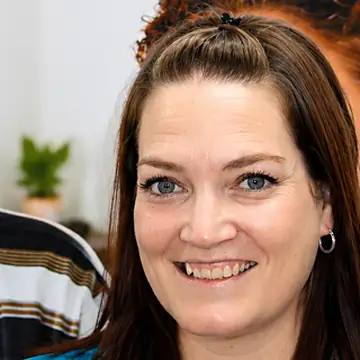
Clinical Nurse Consultant (CNC) and DVA Coordinator
RN, Wound Care Specialist
Brings advanced wound care and rehabilitation expertise, with a passion for supporting older adults and veterans.

Support at Home Coordinator
Client services and compliance
Guides families through getting started, keeping everything organised, clear and compliant so nurses can focus on care.
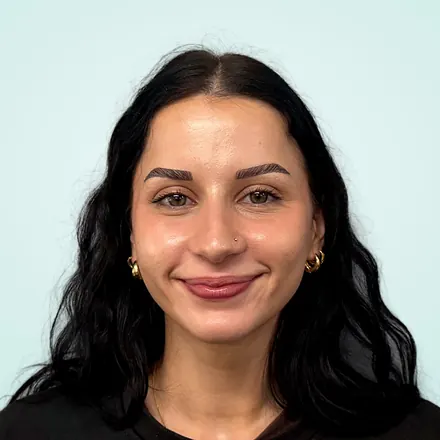
NDIS Coordinator
2 years in SDA and allied health
Brings experience and enthusiasm to the team, with a wealth of knowledge from two years working in Specialist Disability Accommodation (SDA) and allied health.
We are committed to delivering care that is not only professional but genuinely supportive and tailored to each individual.
Every service is clinically overseen by experienced Registered Nurses, ensuring safe, evidence-based care across all supports.
The person you meet is the person who supports you. We don't rotate staff unnecessarily or subcontract your care.
Proudly based in Townsville, we understand the needs of North Queensland and deliver care that's personal, not corporate.
From daily supports to complex clinical care, we provide a seamless, integrated service without the need for multiple providers.
We can step in quickly when you need support, including urgent hospital discharges and short-notice care.
We bridge the gap between hospital and home, reducing readmissions and ensuring safe recovery in familiar surroundings.
Skilled in managing complex health needs including wound care, medication management, continence care, and high-intensity NDIS supports.
We not only deliver supports, but also provide Support Coordination to help you navigate your plan and maximise your funding.
We align with current Department of Health standards, delivering reliable and flexible in-home aged care services.
We understand the requirements of Department of Veterans' Affairs and WorkCover, ensuring compliant, high-quality care.
Your goals, your routine, your life — we build supports around you, not the other way around.
Policies, procedures, and care delivery aligned with NDIS Practice Standards, Aged Care Standards, and best practice frameworks.
You'll always know who to contact, and we follow through — no chasing, no confusion.
NDIS, Support at Home, DVA, WorkCover, or Private — we adapt to your situation and make access simple.
We don't just provide care — we aim to improve independence, health outcomes, and quality of life.
Contact our team or submit a referral today. We acknowledge all referrals within 24 hours.
Explore our latest team updates, healthcare industry news, and insights from our nursing team.
Choosing who supports you or your family member is one of the most important decisions in your NDIS journey. Here are 10 practical questions to ask any provider in Townsville and North Queensland before you sign.
Transformative Nursing & Support Services · 30 October 2026
Read the article →Industry InsightHow your NDIS plan is managed decides who pays your invoices, how much paperwork you do and which providers you can use. Here's a plain-English guide to the three options.
Transformative Nursing & Support Services · 29 October 2026
Read the article →Healthcare NewsAn aged care assessment decides the help you can get at home. A little preparation helps the assessor see the full picture. Here's a practical checklist for older Australians and their families.
Transformative Nursing & Support Services · 28 October 2026
Read the article →CommunityTownsville summers are long, hot and humid. Older people and people with disability or chronic health conditions are at higher risk of heat-related illness. Here are our nurses' tips for staying safe.
Transformative Nursing & Support Services · 27 October 2026
Read the article →Healthcare NewsFalls are one of the biggest threats to older people's independence, but many can be prevented. Our registered nurses share simple, practical steps to make home safer.
Transformative Nursing & Support Services · 26 October 2026
Read the article →Team UpdateGenuinely nurse-led means registered nurses lead every plan. Meet the clinical and client services team behind Transformative Nursing & Support Services.
Transformative Nursing & Support Services · 20 August 2026
Read the article →Industry InsightNot every NDIS provider can deliver high-intensity nursing supports. Here's what 'high-intensity' means, who needs it, and why clinical capability changes everything.
Transformative Nursing & Support Services · 20 August 2026
Read the article →Healthcare NewsThe Australian Government's Support at Home program helps older people stay living independently at home. Here's what families in Townsville need to know.
Transformative Nursing & Support Services · 20 August 2026
Read the article →CommunityAustralian veterans and their families deserve dignified, clinically capable care at home. Here's how DVA-funded community nursing works across Townsville and the region.
Transformative Nursing & Support Services · 20 August 2026
Read the article →Industry InsightSeeing the same familiar faces every visit isn't just nicer — it builds trust, reduces anxiety and leads to better outcomes. Here's why we never subcontract our NDIS supports.
Transformative Nursing & Support Services · 20 August 2026
Read the article →Healthcare NewsLeaving hospital is a milestone, not the finish line. Here's how nurse-led hospital-to-home support helps older Australians and NDIS participants recover safely at home in North Queensland.
Transformative Nursing & Support Services · 20 August 2026
Read the article →Stay updated with our latest posts and community updates
The live Facebook feed loads on your real site; it can’t display inside this preview.
Get in touch with our team for more information or to discuss your care needs.
Townsville, QLD
Transformative Nursing & Support Services is a family-owned, locally operated provider delivering NDIS, Support at Home, private nursing and complex community care across Townsville and the surrounding region — from Castle Hill to Magnetic Island and beyond.
Local people. Clinical leadership. Consistent supports.
Proudly Townsville based — we know our community and care for it like our own.
We employ our own nurses and support workers — consistent, familiar faces every visit.
Registered Nurses oversee every plan, with clinical depth you can rely on.
Referrals acknowledged within 24 hours by our local intake team.
A comprehensive range of nursing and support services, delivered locally.
Support workers and nurse-led high-intensity NDIS supports across Townsville.
Learn more →In-home supports for older Australians — no subcontracting, consistent carers.
Learn more →Skilled registered nurses delivering clinical care in your home.
Learn more →Complex discharge support and clinical transitions across Townsville.
Learn more →Reliable transport to appointments, therapy and community activities.
Learn more →Referrals from clients, families and health professionals are welcomed — acknowledged within 24 hours.
the Burdekin, QLD
We support people living across the Burdekin, including Ayr, Home Hill and the surrounding communities, with everyday support, community nursing and aged care at home.
Not sure if we reach you? Give us a call and we'll let you know.
The same nurse-led services we offer in Townsville, delivered locally.
Support workers and nurse-led high-intensity supports.
Learn more →In-home aged care support with consistent carers.
Learn more →Wound care, medications, continence and complex care at home.
Learn more →Clinical nursing at home for eligible veterans.
Learn more →Support to recover safely after a hospital stay.
Learn more →Recovery support after a workplace injury.
Learn more →We're building a local Burdekin team, so the people who support you live in and understand your community.
We're hiring locally
We're recruiting support workers and nurses in the Burdekin. Local people supporting their own community.
Referrals from clients, families and health professionals are welcome and acknowledged within 24 hours.
Charters Towers, QLD
We support people in Charters Towers and the surrounding area with NDIS supports, aged care at home and nurse-led community nursing.
Not sure if we reach you? Give us a call and we'll let you know.
The same nurse-led services we offer in Townsville, delivered locally.
Support workers and nurse-led high-intensity supports.
Learn more →In-home aged care support with consistent carers.
Learn more →Wound care, medications, continence and complex care at home.
Learn more →Clinical nursing at home for eligible veterans.
Learn more →Support to recover safely after a hospital stay.
Learn more →Recovery support after a workplace injury.
Learn more →Living further from Townsville shouldn't mean going without consistent, clinically capable support. We plan visits so you see familiar faces.
Referrals from clients, families and health professionals are welcome and acknowledged within 24 hours.
Ingham, QLD
We support people in Ingham and across the Hinchinbrook region with everyday support, aged care at home and community nursing.
Not sure if we reach you? Give us a call and we'll let you know.
The same nurse-led services we offer in Townsville, delivered locally.
Support workers and nurse-led high-intensity supports.
Learn more →In-home aged care support with consistent carers.
Learn more →Wound care, medications, continence and complex care at home.
Learn more →Clinical nursing at home for eligible veterans.
Learn more →Support to recover safely after a hospital stay.
Learn more →Recovery support after a workplace injury.
Learn more →We're building a local Ingham team, so the people who support you live in and understand your community.
We're hiring locally
We're recruiting support workers and nurses in Ingham. Local people supporting their own community.
Referrals from clients, families and health professionals are welcome and acknowledged within 24 hours.
Bowen, QLD
We support people in Bowen and the surrounding area with NDIS supports, aged care at home and nurse-led community nursing.
Not sure if we reach you? Give us a call and we'll let you know.
The same nurse-led services we offer in Townsville, delivered locally.
Support workers and nurse-led high-intensity supports.
Learn more →In-home aged care support with consistent carers.
Learn more →Wound care, medications, continence and complex care at home.
Learn more →Clinical nursing at home for eligible veterans.
Learn more →Support to recover safely after a hospital stay.
Learn more →Recovery support after a workplace injury.
Learn more →Living further from Townsville shouldn't mean going without consistent, clinically capable support. We plan visits so you see familiar faces.
Referrals from clients, families and health professionals are welcome and acknowledged within 24 hours.
Magnetic Island, QLD
We support Magnetic Island residents with everyday support, aged care at home and community nursing, so island life doesn't mean missing out on care.
Not sure if we reach you? Give us a call and we'll let you know.
The same nurse-led services we offer in Townsville, delivered locally.
Support workers and nurse-led high-intensity supports.
Learn more →In-home aged care support with consistent carers.
Learn more →Wound care, medications, continence and complex care at home.
Learn more →Clinical nursing at home for eligible veterans.
Learn more →Support to recover safely after a hospital stay.
Learn more →Recovery support after a workplace injury.
Learn more →Island living has its own rhythm. We plan visits around it and keep the same familiar faces coming to your door.
Referrals from clients, families and health professionals are welcome and acknowledged within 24 hours.
You have the right to raise a concern at any time, and doing so will never affect the support you receive.
Dignity, privacy and respect for your culture, values and beliefs.
Choice and control over your supports, and who provides them.
Your information is only shared with your consent or where the law requires.
Raising a concern will never affect your services.
You can contact us in whatever way suits you:
You can contact the NDIS Quality and Safeguards Commission:
You can contact the Aged Care Quality and Safety Commission:
You can contact the Department of Veterans' Affairs:
If you're worried about how your personal information has been handled, you can contact the Office of the Australian Information Commissioner:
Need help making a complaint? Call us on 07 4721 4470 and we'll help, or ask an advocate to support you.
Tell us what we're doing well, or where we can do better.
Short guides with simple words and pictures. You can print them or read them with someone you trust.
Call us and we'll talk it through with you.
We're always improving. If you have trouble using any part of this website, or need information in a different format, please tell us:
You can also ask us to send you information by post or read it with you over the phone.
Prefer to talk rather than fill in a long form? Leave your details and our local team will call you back during business hours (Monday to Friday, 9am to 4pm).
For hospitals, GPs and teams who prefer to email a completed form. Print it or save it as a PDF, then email it to admin@transformativenursing.com.au.
☐ The participant (or their decision-maker) has agreed to this referral and to their information being shared with Transformative Nursing & Support Services.
Industry Insight
Choosing who supports you or your family member is one of the most important decisions in your NDIS journey. Here are 10 practical questions to ask any provider in Townsville and North Queensland before you sign.
Transformative Nursing & Support Services · 30 October 2026
Choosing an NDIS provider is about more than filling a roster. The people who come through your door will help with personal care, get you out into the community and notice when something isn’t right. In Townsville and across North Queensland there are plenty of providers to choose from, so it pays to ask the right questions before you sign a service agreement.
Here are 10 questions we’d encourage any participant, family member or support coordinator to ask.
Your plan can be self-managed, plan-managed or NDIA-managed, and this affects which providers you can use. Self-managed and plan-managed participants can choose registered or unregistered providers. NDIA-managed participants can only use registered providers. Ask the provider straight up whether they can work with your plan, and if not, whether they have a partner arrangement. Read our guide to plan management.
Some organisations employ their own staff. Others subcontract shifts to agencies or sole traders. Ask who will turn up, whether they’re employed by the provider, and how they were screened. Every worker in a risk-assessed role should hold a current NDIS Worker Screening Check.
Consistency matters. Seeing the same support workers builds trust, reduces anxiety and means you don’t have to explain your routines every week. Ask how the provider builds a small, consistent team around each person and what happens when a regular worker is on leave.
Needs can change quickly after a hospital stay, an illness or a change in medication. Ask whether the provider has registered nurses in the organisation, how support workers escalate concerns, and whether they can deliver higher-intensity supports such as wound care, catheter care or PEG feeding if you need them later.
If you’re waiting on support, days matter. Ask how long it takes to acknowledge a referral and how long until the first assessment or meeting.
Many providers say they cover "North Queensland" but have few staff outside Townsville. If you live in the Burdekin, Charters Towers, Ingham, Bowen or on Magnetic Island, ask whether they have workers based nearby and how they manage travel.
Good communication saves everyone time. Ask how often you, your family and your support coordinator will hear from the provider, and who your main contact will be.
Cancellation rules affect your budget. Ask how much notice you need to give, what fees apply for short-notice cancellations, and what happens if the provider cancels on you.
Every provider should have a clear, simple complaints process and should tell you about your right to contact the NDIS Quality and Safeguards Commission. A provider who welcomes feedback is usually one who takes quality seriously.
Supports should be built around your goals, not just a list of tasks. Ask how the provider plans supports with you, how they track progress and how often they review your plan together.
At Transformative Nursing & Support Services we’re a local, family-owned, nurse-led team based in Townsville. We support self-managed and plan-managed NDIS participants, and NDIA-managed participants through our partner. We employ our own support workers and never subcontract your care. Registered nurses lead every plan, and every referral is acknowledged within 24 hours.
If you’d like to talk through your options, contact our team or make a referral.
Our local team is happy to talk it through.
Industry Insight
How your NDIS plan is managed decides who pays your invoices, how much paperwork you do and which providers you can use. Here's a plain-English guide to the three options.
Transformative Nursing & Support Services · 29 October 2026
When you receive your NDIS plan, your funding will be managed in one of three ways, or a mix of them. The option you choose makes a real difference to how much paperwork you do, how your providers are paid and, importantly, which providers you can use.
Here’s a plain-English guide.
The NDIA manages your funding and pays your providers directly.
A plan manager, funded through your plan, pays your providers’ invoices and helps you keep track of your budget.
If you’d like a plan manager, you can ask for plan management to be included in your plan. It doesn’t come out of your support budget.
You, or your nominee, manage the funding yourself. You pay providers and claim the money back from the NDIA through the myplace portal.
Registered providers have been through an NDIS registration and audit process. Unregistered providers haven’t, but they must still follow the NDIS Code of Conduct, and their workers in risk-assessed roles still need an NDIS Worker Screening Check. Participants also have the same right to complain to the NDIS Quality and Safeguards Commission about any provider, registered or not.
What matters most is the quality and safety of the support you receive. Ask any provider about their staff screening, training, clinical oversight and complaints process, whatever their registration status.
Yes. If your current arrangement isn’t working, talk to your support coordinator, LAC or the NDIA about changing it. Many people move from NDIA-managed to plan-managed to get more choice of providers.
Transformative Nursing & Support Services is a non-registered NDIS provider. We work directly with self-managed and plan-managed participants. If your plan is NDIA-managed, we can still support you through our partner, Boutique Caring. Our services follow the NDIS Code of Conduct, and we deliver supports at NDIS price guide rates.
Not sure which option suits you? Talk to our team and we’ll help you work it out.
This article is general information only. Check the NDIS website or speak with the NDIA for advice about your own plan.
Our local team is happy to talk it through.
Healthcare News
An aged care assessment decides the help you can get at home. A little preparation helps the assessor see the full picture. Here's a practical checklist for older Australians and their families.
Transformative Nursing & Support Services · 28 October 2026
The Australian Government’s Support at Home program helps older Australians stay safe and independent in their own homes. Before you can access it, you need an aged care assessment arranged through My Aged Care. That assessment shapes your classification level and the supports you can receive, so it’s worth being prepared.
Here’s a practical checklist to help you and your family get ready.
You, a family member or your GP can start the process by calling My Aged Care on 1800 200 422 or applying online. You’ll be asked some questions over the phone, and an assessor will then arrange a time to meet you, usually in your home.
Have these ready before the assessment:
Assessors need to understand your real life, not just your best day. Think about:
Write examples down. "I haven’t been able to get into the shower safely since my fall in March" is much more helpful than "I’m managing".
What would make the biggest difference to your life? Staying in your home, getting back to the bowls club, feeling confident in the shower again? Telling the assessor what matters to you helps them recommend the right supports.
It helps to have a family member, friend or advocate at the assessment. They can remember details, take notes and speak up if you tend to downplay things. Free, independent advocacy is available through the Older Persons Advocacy Network on 1800 700 600.
Once you’re approved and assigned a classification level, you can choose your provider. Services Australia will work out any contribution you need to make based on your income and assets. Clinical supports, such as nursing care, do not attract a contribution.
Some short-term pathways are also available, such as the Restorative Care Pathway to help you regain function after illness or decline.
Transformative Nursing & Support Services is a local, family-owned, nurse-led Support at Home provider in Townsville and a Co-Care Partner with PlanCare. We never subcontract, so the person you meet is the person who supports you. Registered nurses are part of the same team if your needs change.
Already assessed? Explore Support at Home or contact our team. We acknowledge every referral within 24 hours.
Our local team is happy to talk it through.
Community
Townsville summers are long, hot and humid. Older people and people with disability or chronic health conditions are at higher risk of heat-related illness. Here are our nurses' tips for staying safe.
Transformative Nursing & Support Services · 27 October 2026
Summer in Townsville and North Queensland means long stretches of heat and high humidity. For most of us it’s uncomfortable. For older people, people living with disability and anyone with a chronic health condition, it can be dangerous.
Our nurses see the effects of heat every summer. Here’s how to stay safe, and how to look out for the people you care about.
Heat exhaustion can include heavy sweating, pale and clammy skin, dizziness, headache, nausea, muscle cramps and tiredness. Move to a cool place, lie down, sip water and use cool, wet cloths. If symptoms don’t improve, get medical help.
Heat stroke is a medical emergency. Signs include confusion, slurred speech, hot and dry skin, fainting or seizures. Call 000 immediately and start cooling the person while you wait.
During hot spells our team keeps an extra eye on the people we support. That includes checking fluid intake, looking for early signs of heat stress, making sure homes are cool and medications are stored correctly, and escalating to a registered nurse when something isn’t right.
If you’re worried about a family member coping at home this summer, talk to our team about how we can help.
This article is general information only and isn’t a substitute for advice from your own doctor. In an emergency, call 000.
Our local team is happy to talk it through.
Healthcare News
Falls are one of the biggest threats to older people's independence, but many can be prevented. Our registered nurses share simple, practical steps to make home safer.
Transformative Nursing & Support Services · 26 October 2026
Falls are one of the most common reasons older Australians end up in hospital, and a fall can knock someone’s confidence long after any injury has healed. The good news is that many falls can be prevented with a few practical changes.
Here’s what our registered nurses look for when they visit someone at home.
Some medications can cause dizziness, drowsiness or low blood pressure, especially when several are taken together. Ask your GP or pharmacist for a medication review, particularly if you’re taking four or more medicines or have recently started something new.
Our registered nurses can complete a falls risk check during a home visit, help with medication management, manage wounds after a fall, and work with your GP and physiotherapist on a plan to keep you safe. Our support workers help with everyday tasks so you’re not over-reaching or rushing.
If you or a family member has had a fall, or is worried about having one, talk to our team or request a call back.
This article is general information only and isn’t a substitute for advice from your own doctor.
Our local team is happy to talk it through.
Team Update
Genuinely nurse-led means registered nurses lead every plan. Meet the clinical and client services team behind Transformative Nursing & Support Services.
Transformative Nursing & Support Services · 20 August 2026
We often say we’re "nurse-led" — but what does that actually look like day to day?
Our founder and Managing Director, Sean Burnett, is a Clinical Nurse Consultant and Nurse Practitioner Candidate with a background across Intensive Care, Emergency and Neurosurgery. That clinical foundation shapes how we support clients with complex health needs at home — safely, responsively and with genuine clinical judgement.
Our Clinical Nurse Consultant (CNC) and DVA Coordinator, Nicola Peirce, brings advanced wound-care and rehabilitation expertise, with a passion for supporting older adults and veterans through calm, knowledgeable clinical planning.
Great care isn’t only clinical. Melissa Bullen, our Support at Home Coordinator, guides families through onboarding and service coordination — keeping everything organised, clear and compliant so the clinical team can focus on care.
Caitlan Burnett, our NDIS Coordinator, brings experience and enthusiasm to the team, with a wealth of knowledge from two years working in Specialist Disability Accommodation (SDA) and allied health.
When you choose a nurse-led provider, you’re choosing:
We’re proud to be a local, family-owned team delivering genuinely nurse-led community care across the region.
Our local team is happy to talk it through.
Industry Insight
Not every NDIS provider can deliver high-intensity nursing supports. Here's what 'high-intensity' means, who needs it, and why clinical capability changes everything.
Transformative Nursing & Support Services · 20 August 2026
Most NDIS participants receive supports from support workers — and that’s exactly right for many people. But for participants with complex medical needs, high-intensity nursing supports are essential, and not every provider is equipped to deliver them safely.
High-intensity supports are clinical tasks that require nursing skills and clinical judgement, including:
These supports are funded under specific NDIS line items and require workers with additional training — or, ideally, registered nurses.
When a participant needs high-intensity supports, the difference between a provider that can and one that does it well is clinical leadership. A nurse-led provider means:
At Transformative Nursing & Support Services, high-intensity supports are delivered with nurse-led oversight — so participants with complex needs get clinical depth, not just a roster fill.
Our local team is happy to talk it through.
Healthcare News
The Australian Government's Support at Home program helps older people stay living independently at home. Here's what families in Townsville need to know.
Transformative Nursing & Support Services · 20 August 2026
Most older Australians want to keep living in their own home, in their own community, for as long as it’s safe to do so. The Australian Government’s Support at Home program is designed to make that possible.
Support at Home is the aged care program that funds in-home support for eligible older Australians. It can include:
Entry to government-funded aged care starts with an assessment through the My Aged Care gateway. An assessor works with the older person (and their family) to understand their needs and goals, and a support plan is built around them.
Important: Transformative Nursing & Support Services is a community nursing and support provider. We don’t operate or administer the Support at Home program. We deliver the supports that are commissioned or referred to us under it.
Once a support plan is approved, families can choose who delivers the care. Things worth asking about:
If you’re supporting an older family member in Townsville or North Queensland and want to understand your options, our team is happy to talk it through — with no obligation.
Our local team is happy to talk it through.
Community
Australian veterans and their families deserve dignified, clinically capable care at home. Here's how DVA-funded community nursing works across Townsville and the region.
Transformative Nursing & Support Services · 20 August 2026
Australian veterans have earned care that is respectful, clinically sound and delivered with dignity. Through the Department of Veterans’ Affairs (DVA) Home Care Program, eligible veterans, war widows and widowers, and dependants can access community nursing and support services at home — often at no cost to the card holder.
DVA-funded services are generally available to holders of a:
If you’re unsure about eligibility or which card covers a particular need, our intake team can help guide you through the process.
Many veterans live with complex, long-term health needs. Having registered nurses involved — not just support workers — means clinical oversight is part of every care plan. It also means documentation meets DVA reporting expectations, and communication with DVA case managers is clear and timely.
We’re proud to support those who served, across Townsville, Magnetic Island, the Burdekin, Charters Towers, Ingham and surrounding communities.
Our local team is happy to talk it through.
Industry Insight
Seeing the same familiar faces every visit isn't just nicer — it builds trust, reduces anxiety and leads to better outcomes. Here's why we never subcontract our NDIS supports.
Transformative Nursing & Support Services · 20 August 2026
For many NDIS participants, the single most important factor in quality support isn’t a roster line or a funding category — it’s who walks through the door.
When supports are subcontracted, participants often meet a different worker each week. Each new face means:
Continuity of carers isn’t just a comfort — it’s a clinical safeguard. Familiar workers notice small changes in a participant’s condition earlier. They know the routines that de-escalate distress. They understand the goals that matter to the person, not just the tasks on a service agreement.
That’s why at Transformative Nursing & Support Services we employ our own nurses and support workers and don’t subcontract our care. The person you meet is the person who supports you — consistently.
If consistency of supports matters to you or the person you support, ask any provider one simple question: do you subcontract? The answer tells you a lot about the experience you can expect.
Our local team is happy to talk it through.
Healthcare News
Leaving hospital is a milestone, not the finish line. Here's how nurse-led hospital-to-home support helps older Australians and NDIS participants recover safely at home in North Queensland.
Transformative Nursing & Support Services · 20 August 2026
Leaving hospital is an important milestone — but going home doesn’t always mean recovery is complete. For many older Australians, NDIS participants and people managing complex health needs, the first few weeks after discharge are when the right support matters most.
Hospital-to-home care (sometimes called transition care or complex discharge support) is the bridge between an inpatient stay and safe, supported living at home. It can include:
Across Townsville, the Burdekin, Charters Towers and surrounding communities, discharge planning can move quickly. Having a local, clinically capable provider already in place before a patient leaves hospital reduces bed-block, eases pressure on families and supports a smoother recovery.
A nurse-led model means registered nurses are involved from the first assessment through ongoing care — so clinical judgement is woven through every visit, not bolted on as an afterthought.
If you or a loved one is facing a hospital discharge with new medications, wounds, mobility changes or increased personal care needs, ask the discharge team about community supports — ideally before the discharge date. The earlier a plan is in place, the safer the transition home.
We acknowledge all new referrals within 24 hours and can work with hospital teams to arrange services on or before discharge.
Our local team is happy to talk it through.
Service Area
Proudly supporting communities across Townsville, the Burdekin, Charters Towers, Ingham and surrounding regions.
Not sure whether we service your area?